

Key Points
- Slab leaks in Kernersville, NC are caused by five main factors: shifting soil, aging or corroded pipes, tree root infiltration, poor installation, and high water pressure — understanding each helps you target the right prevention steps.
- According to the U.S. Environmental Protection Agency, household leaks waste nearly 1 trillion gallons of water annually in the U.S. — slab leaks are among the most damaging and costly because they go undetected the longest.
- Monitor your water pressure and keep it between 40–60 psi — pressure above this range is one of the leading causes of pipe stress and slab leaks in residential plumbing.
- Check your water meter monthly — if the meter runs when no water is in use, you likely have a hidden leak that needs professional diagnosis immediately.
- Tree roots should be planted at least 10–15 feet from your foundation — aggressive root systems are a leading cause of pipe infiltration and cracking beneath slabs.
- Early detection of slab leaks dramatically reduces repair costs — a leak discovered early may require simple pipe repair, while one left undetected can require full foundation work.
- Contact Practical Plumbing Service for professional slab leak detection and repair throughout Kernersville and Greensboro, NC.
Slab leaks can cause significant damage to your home in Kernersville, NC, but there are practical steps you can take to prevent them. By understanding the causes and implementing simple strategies, you can protect your property from costly repairs. From regular plumbing inspections to monitoring water pressure, each action contributes to a safer home environment. Let’s investigate these crucial methods to safeguard your home and keep potential issues at bay.
Understand the Causes of Slab Leaks
While slab leaks can be frustrating, understanding their causes can help you prevent them in your Kernersville home. One common cause is the shifting soil beneath your foundation. Changes in moisture levels can lead to expansion and contraction, putting pressure on your pipes.
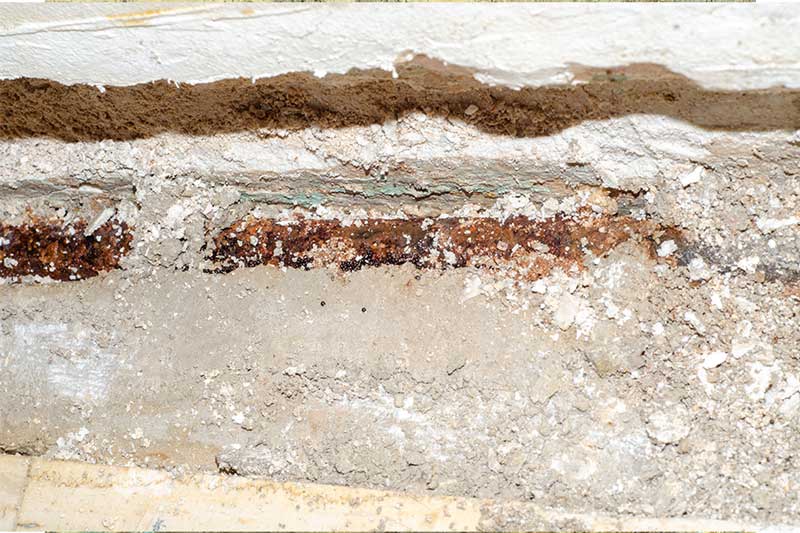
Moreover, aging pipes — especially those made from copper — can corrode over time and develop leaks. Tree roots can likewise infiltrate plumbing systems, causing cracks and breaks. Poor installation practices can contribute too; if pipes aren’t properly supported or are installed with too much tension, they can fail. Finally, high water pressure can stress your plumbing, leading to leaks.
The five main causes of slab leaks in Kernersville homes:
- Shifting soil — North Carolina’s clay-heavy soil expands when wet and contracts when dry, creating movement that stresses buried pipes over time
- Aging or corroded pipes — copper pipes common in homes built before the 1990s are especially susceptible to pinhole corrosion and joint failure
- Tree root infiltration — roots seek moisture and can crack or penetrate pipe joints, particularly in older clay or cast iron sewer lines
- Poor installation — pipes installed without adequate support, at incorrect angles, or under excessive tension are prone to early failure
- High water pressure — sustained pressure above 80 psi dramatically accelerates wear on pipe joints and fittings
By being aware of these issues, you can take proactive steps to safeguard your home. Early detection leads to easier and less expensive repairs, emphasizing the importance of professional slab leak detection.
Regularly Inspect Your Plumbing System
To prevent slab leaks, you need to regularly inspect your plumbing system. Start by checking for leaks in visible pipes and examining connections for any signs of wear or corrosion. Staying proactive about these inspections can save you from costly repairs down the line. Additionally, using advanced leak-detection tools can help identify hidden issues before they escalate.
Check for Leaks Regularly
Make it a habit to inspect areas like under sinks, around toilets, and near your water heater. Look for any signs of moisture or water stains — these could indicate a leak. If you notice any unusual sounds, like dripping or running water, don’t ignore them. These small issues can turn into bigger problems if left unattended.
What to look for during a self-inspection:
- Water stains on walls, ceilings, or cabinet bases — discoloration often appears before an active drip becomes visible
- Soft or warped flooring — unexplained soft spots in wood floors or bubbling in vinyl can indicate moisture beneath the slab
- Musty odors in low areas of the home — mold and mildew from a slab leak often produce a distinctive smell before any visible water appears
- Warm spots on the floor — a hot water line leak beneath a slab can create noticeable warm patches on tile or concrete floors
Examine Pipe Connections
Take time to inspect the joints and fittings where pipes meet. Look for signs of corrosion, rust, or any moisture buildup. These issues can lead to bigger problems down the road. If you notice anything amiss, don’t hesitate to reach out for help. A professional plumber can provide the expertise needed to address those concerns before they become costly repairs.
For a thorough professional assessment, plumbing inspection services from Practical Plumbing Service give you a complete picture of your system’s condition.
Maintain Proper Drainage Around Your Home
Maintaining proper drainage around your home is vital for preventing water damage and slab leaks. By guaranteeing that water flows away from your foundation, you can protect your property and create a welcoming environment.
- Gutters and downspouts — regularly clean your gutters and make sure downspouts direct water at least 6 feet away from your foundation; this simple step can prevent pooling around your home
- Landscaping grading — ensure the ground slopes away from your foundation; proper grading directs rainwater away, reducing the risk of leaks
- Drainage systems — consider installing a French drain or other drainage systems if your yard tends to hold water; these systems help manage excess moisture effectively
Additionally, routine plumbing maintenance can catch potential issues early, further safeguarding your home against leaks.
Monitor Water Pressure Levels
Monitoring your water pressure levels is crucial for preventing slab leaks in your home. High water pressure can strain your plumbing system, leading to potential leaks under your foundation. You can easily check your water pressure with a gauge available at local hardware stores. Aim for levels between 40 and 60 psi for best performance.
If you find your pressure exceeds this range, consider installing a pressure regulator. Regularly checking your pressure not only helps prevent leaks but also extends the life of your plumbing system.
How to check and manage water pressure:
- Purchase an inexpensive water pressure gauge at any hardware store — it attaches directly to an outdoor hose bib
- Take readings at different times of day — pressure fluctuates and a single reading may not reflect typical levels
- If pressure consistently exceeds 80 psi, have a licensed plumber install a pressure-reducing valve (PRV) on your main water line
- If you already have a PRV, have it tested annually — these valves wear out over time and can fail without obvious signs
At Practical Plumbing Service, we’re just a call away, ready to help you keep your home leak-free and thriving.
Insulate Pipes to Prevent Temperature Fluctuations
Keeping your plumbing system in top shape goes beyond just monitoring water pressure — it also involves insulating your pipes to prevent temperature fluctuations. Insulating your pipes isn’t just a good idea; it’s an essential step in protecting your home from potential leaks.
- Use foam insulation — wrap exposed pipes with foam insulation sleeves to help maintain a consistent temperature
- Seal gaps — inspect areas where pipes enter walls or ceilings and seal any gaps to prevent cold air intrusion
- Install heating cables — in particularly cold spots, consider installing heating cables to keep pipes warm during winter
Why pipe insulation prevents slab leaks: When pipes experience rapid temperature changes — particularly freeze-thaw cycles during Kernersville’s winter months — they expand and contract repeatedly. Over time, this cycling stresses pipe joints and fittings, creating micro-cracks that eventually become leaks. Consistent pipe temperatures dramatically reduce this stress.
Avoid Planting Trees Too Close to Your Foundation
While it might be tempting to plant trees for their beauty and shade, doing so too close to your foundation can lead to serious plumbing issues, including slab leaks. The roots of trees can grow aggressively, seeking moisture from underground pipes. When they invade your plumbing system, they can cause cracks or even break pipes, leading to costly repairs.
To keep your home safe, consider planting trees at least 10–15 feet away from your foundation. Opt for smaller shrubs or plants that won’t pose a threat to your plumbing.
Tree species to be especially cautious about near foundations:
- Willow, poplar, and silver maple — known for aggressive, moisture-seeking root systems that can travel 2–3 times the tree’s canopy width
- Oak and elm — large, mature trees whose deep roots can reach and infiltrate aging pipe joints
- Bamboo — spreads aggressively underground and is particularly problematic near sewer lines
If you suspect existing tree roots may have already infiltrated your sewer line, a sewer line inspection can identify root intrusion before it causes a full blockage or break.
Keep an Eye on Water Meter Readings
Keeping an eye on your water meter readings is essential for preventing slab leaks. By monitoring regularly, you can identify unusual patterns and check for any unexpected increases in usage.
Monitor Regularly
By making meter monitoring a habit, you can save yourself from costly repairs and water damage. Here are three tips:
- Take note of baseline readings — record your water meter reading when you know no water is being used; this will serve as your baseline
- Check for changes — compare your readings weekly; a significant increase could signal a leak
- Act quickly — if you notice unusual spikes, contact a trusted plumber right away
How to perform a simple leak test using your water meter:
- Turn off all water-using appliances and fixtures in your home — including the dishwasher, washing machine, and ice maker
- Locate your water meter and note the current reading
- Wait 30 minutes without using any water
- Check the meter again — if the reading has changed, water is moving through your system despite nothing being in use, indicating a leak
- If the meter dial or digital reading is moving, contact Practical Plumbing Service for professional leak detection immediately
Identify Unusual Patterns
Keep an eye on those numbers — if you notice a sudden spike or an increase that doesn’t match your usage, it’s a red flag. If your meter keeps running when you’re not using water, don’t ignore it. This could indicate a hidden leak beneath your slab.
Check for Increases
Record monthly readings, compare usage, and act quickly if you notice a significant increase. Don’t wait — contact a trusted local plumber to investigate.
Be Cautious With Heavy Equipment Near the Foundation
When you’re working on your Kernersville home, it’s crucial to be cautious around the foundation when using heavy equipment, as even minor vibrations can cause significant issues, such as slab leaks. Heavy machinery — like excavators or compactors — can exert pressure on soil and shift your foundation, creating unseen cracks and leaks over time.
Before you start any project, take a moment to assess the area around your home. Keep heavy equipment at a safe distance from the foundation, and if possible, use lighter tools for smaller tasks. If you’re unsure, consider consulting a professional who can guide you on the best practices for your specific situation.
Practical guidelines for foundation safety during home projects:
- Mark your utility lines before any digging — call 811 (NC’s “Call Before You Dig” line) to have underground utilities flagged at no charge
- Keep heavy machinery at least 6 feet from the foundation — the closer to the structure, the greater the vibration transfer to buried pipes
- Avoid repeated passes — compactors and vibratory equipment cause cumulative stress; limit passes near the foundation
- Monitor for signs after work is complete — check for new soft spots on flooring, changes in water pressure, or new meter movement in the days following heavy equipment use
Schedule Routine Professional Inspections
Scheduling routine professional inspections is essential for maintaining the health of your home’s plumbing system. By doing so, you can catch potential issues before they escalate into costly slab leaks.
- Early detection — professional plumbers can identify the subtle signs of leaks or pipe damage, ensuring you address them early
- Peace of mind — knowing that your plumbing is in good hands allows you to focus on what truly matters — your family and home
- Cost savings — preventative maintenance can save you money by avoiding emergency repairs and extensive water damage down the line
What a professional slab leak inspection covers:
- Electronic leak detection equipment that identifies moisture beneath the slab without destructive testing
- Pressure testing of water supply lines to identify pressure drops that indicate leaks
- Thermal imaging to detect temperature anomalies in flooring caused by hot water line leaks
- Video camera inspection of drain and sewer lines beneath the slab to identify cracks, joint failures, or root intrusion
At Practical Plumbing Service, we treat your home like ours. Schedule your plumbing inspection today and stay ahead of potential slab leak issues.
Educate Your Family on Water Usage Best Practices
Teaching your family about water conservation can make a big difference in preventing slab leaks. Start by sharing simple techniques like turning off the tap while brushing teeth or fixing leaks promptly. Additionally, keep an eye on your water bills — sudden spikes can signal hidden issues that need attention.
Teach Conservation Techniques
Incorporate simple practices into your daily routines:
- Shorten showers — encourage everyone to limit showers to five minutes; set a timer to make it a fun challenge
- Turn off taps — remind kids to turn off faucets while brushing teeth or washing hands; it’s a small step that saves gallons
- Use efficient appliances — choose water-efficient dishwashers and washing machines; explain how they save water and money
Monitor Water Bills
When you regularly check your bills, you become more aware of how much water your household consumes. Set goals together — like reducing monthly usage or checking for leaks. Celebrate small victories and make it a fun family challenge.
What a sudden water bill spike may indicate:
- A running toilet — toilets can silently waste 200 gallons per day without an obvious drip
- A dripping faucet — even a slow drip wastes thousands of gallons per year
- A slab or underground leak — a bill increase with no change in habits and no visible leak is a strong indicator of a hidden slab or main line issue requiring professional leak detection
Key Takeaways
Preventing slab leaks in Kernersville, NC requires consistent attention across ten areas: understanding the five root causes, regular self-inspections, proper drainage, water pressure monitoring (40–60 psi), pipe insulation, strategic tree planting (10–15 feet from the foundation), water meter monitoring, caution with heavy equipment, routine professional inspections, and educating your family on water habits. The EPA confirms household leaks waste 1 trillion gallons annually — slab leaks are among the most damaging because they go undetected the longest. Perform a simple meter test monthly: turn off all water, wait 30 minutes, and check if the meter moved. If it did, call a professional immediately. Contact Practical Plumbing Service for expert slab leak detection, repair, and plumbing inspections throughout Kernersville and Greensboro, NC.
Contact Practical Plumbing Service for Slab Leak Help in Kernersville, NC
Don’t wait for a slab leak to become a foundation problem. Practical Plumbing Service provides expert slab leak detection, repair, and routine plumbing inspections throughout Kernersville and Greensboro, NC. Our team is just a call away — ready to protect your home before small issues become costly disasters.